McKinney TX Foundation Repair
Foundation Crack Repair in McKinney, TX
Sealing, injection and settlement repair for cracked slabs and brick in McKinney homes, with a free written estimate that says which kind of crack you have.
Free estimate
Request a free estimate for foundation crack repair
Tell us what you are seeing and a crew lead will call to set a same-week inspection in McKinney. No price is quoted until the foundation has been measured.
Prefer the phone?
Call (972) 555-0100Mon to Sat 7am to 7pm
Foundation crack repair McKinney homeowners search for usually begins with one question: is the crack still moving? Foundation crack repair covers two very different jobs, and the answer to that question decides which one you need. A crack that has stayed the same width through a full wet season and a full dry season is sealed or injected and forgotten. A crack that grows after a dry summer, runs at an angle across the slab, or lines up with stair-step cracks in the brick above it is a settlement crack, and sealing it without supporting the slab just buys you a fresh crack next spring.
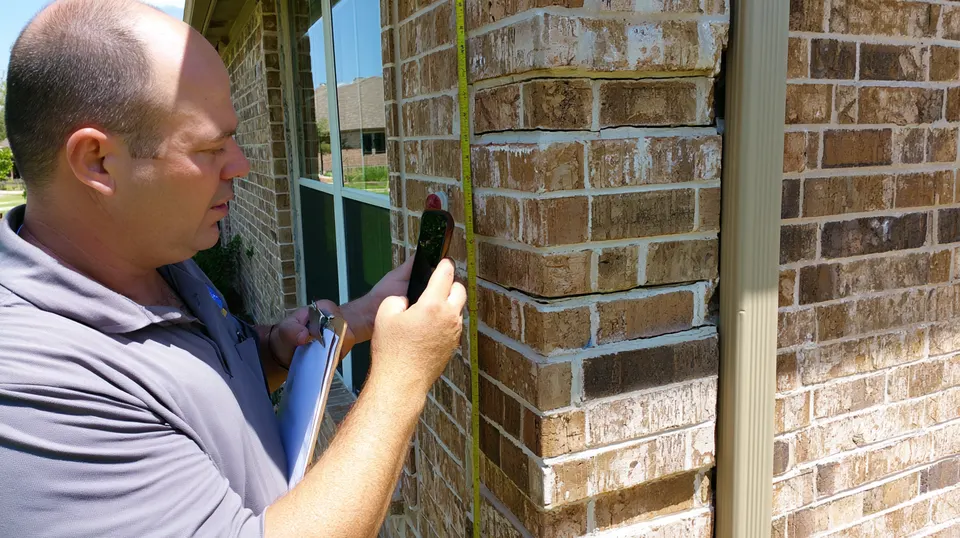
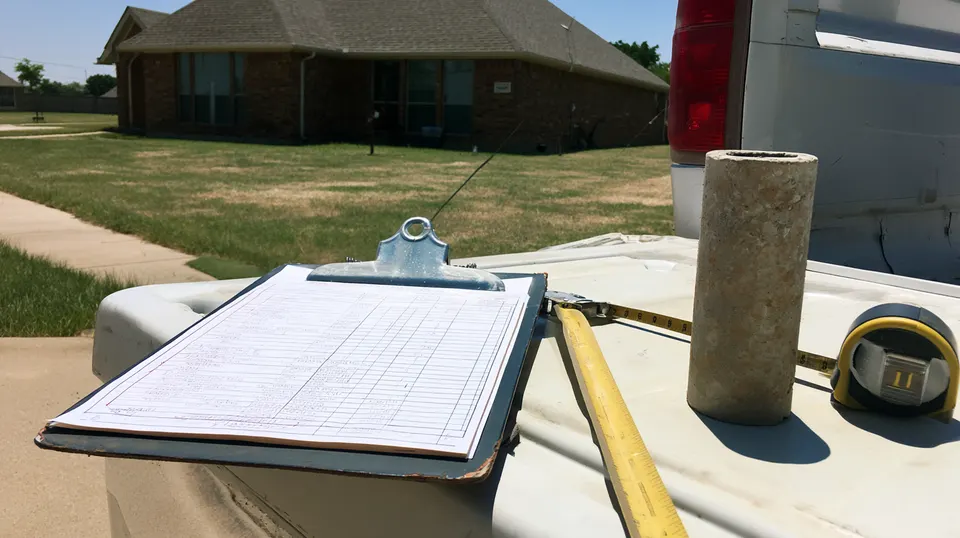
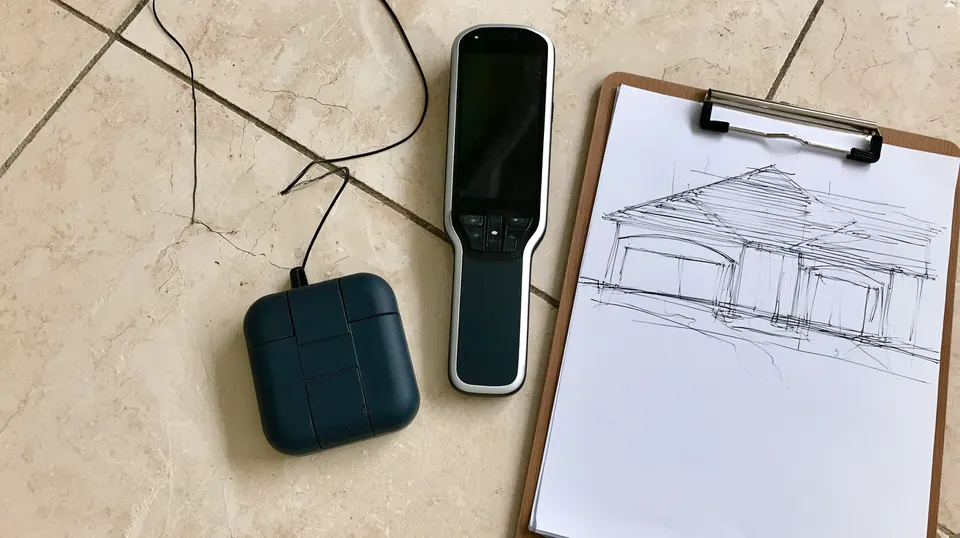
The free inspection tells you which kind you have. A crew lead measures the crack, checks for a height difference between its two sides, and takes floor elevation readings around it. You get a written estimate before the visit ends. Call (972) 555-0100 for same-week scheduling. Requests are routed to an insured local contractor, and calls may be recorded for quality.
Signs you need foundation crack repair in McKinney
Some cracks are the concrete settling into its final shape. Others are the house telling you the soil under it has moved. These are the ones worth a call:
- A crack in the slab, garage floor or patio that is wider than a coin edge, or that has a lip where one side sits higher than the other.
- A crack that has visibly widened over one season. Pencil a date and a tick mark at each end and check it again in a month.
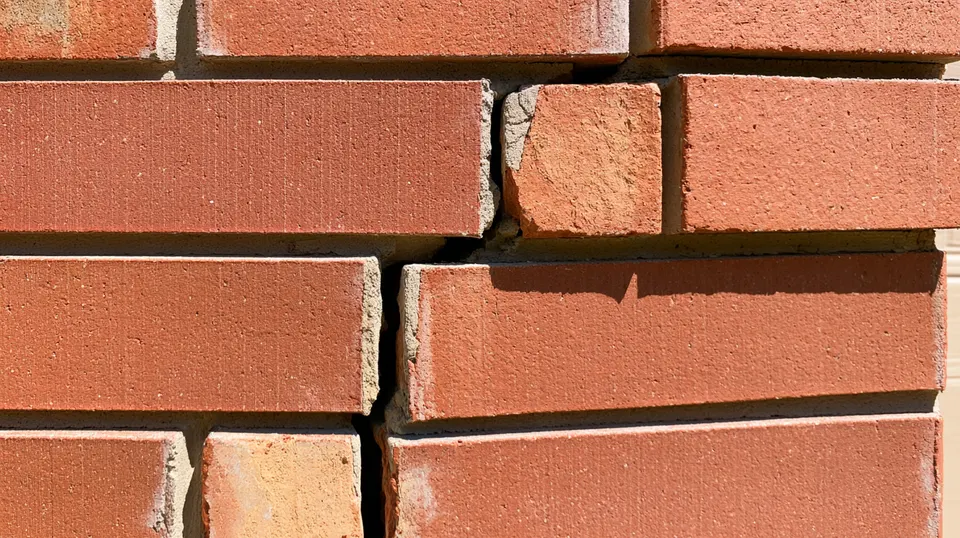
- Stair-step cracks in the brick or mortar joints outside, covered in detail on the cracks in brick page.
- Diagonal cracks in sheetrock that start at the corner of a door or window frame and run toward the ceiling.
- A crack that lets water through after rain, shows a white mineral stain, or has damp carpet or flooring next to it.
- A crack that runs through the slab and continues up a wall, or one that appears near a plumbing line and comes with a higher water bill (a plumber checks for a slab leak before any injection).
- Cracks that appeared during a drought year and did not close when the rain came back.
A single hairline crack with none of these features is almost always cosmetic. Two or three of them together mean the crack is a symptom, and a foundation inspection in McKinney should look at the whole house, not just the crack.
What foundation crack repair involves in McKinney
Start with why McKinney slabs crack at all. The USDA NRCS Official Series Description for the Houston Black series, the black clay under most of Collin County, puts its clay content at 40 to 60 percent and describes cracks 1/2 to 4 inches wide opening in the ground at 12 inches deep during dry periods. The NRCS fact sheet for the same soil explains that water enters it rapidly when it is dry and cracked and very slowly once it is wet. The rain pattern makes this worse: National Weather Service Fort Worth normals put May at 4.78 inches, the wettest month, and July at 2.08 inches, the driest, so the clay swells in spring and shrinks under the slab every summer. The summer of 2023 brought only 1.25 inches of rain to DFW from June through August, according to the same office, which is the kind of stretch that opens the ground away from a slab edge.
Day one of a crack repair depends on the diagnosis:
- Stable cracks in a slab or garage floor are ground out to a clean V, vacuumed, then filled. Epoxy is a two-part resin that cures rigid and restores strength across the crack. Polyurethane is a foam that expands and stays flexible, used where water is coming through or where slight seasonal movement will continue.
- Injection cracks get plastic ports glued along their length about every 8 to 12 inches. The surface is capped with a paste, and the material is pumped in from the lowest port upward until it shows at the next one. Ports are cut off and the surface is finished flush.
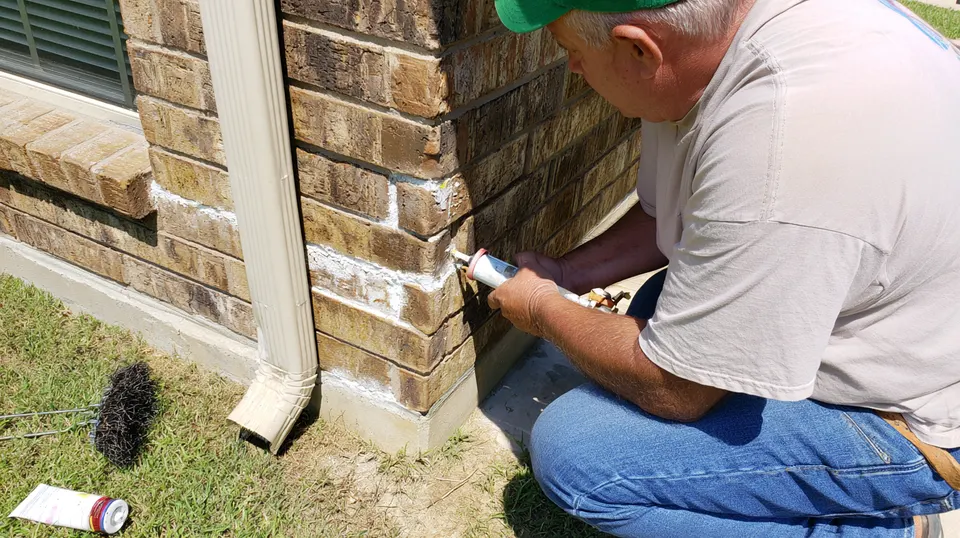
- Cracks in brick veneer are handled as tuckpointing: the crew grinds out the cracked mortar joints and repacks them with matching mortar. This is cosmetic unless the settlement under them is fixed first.
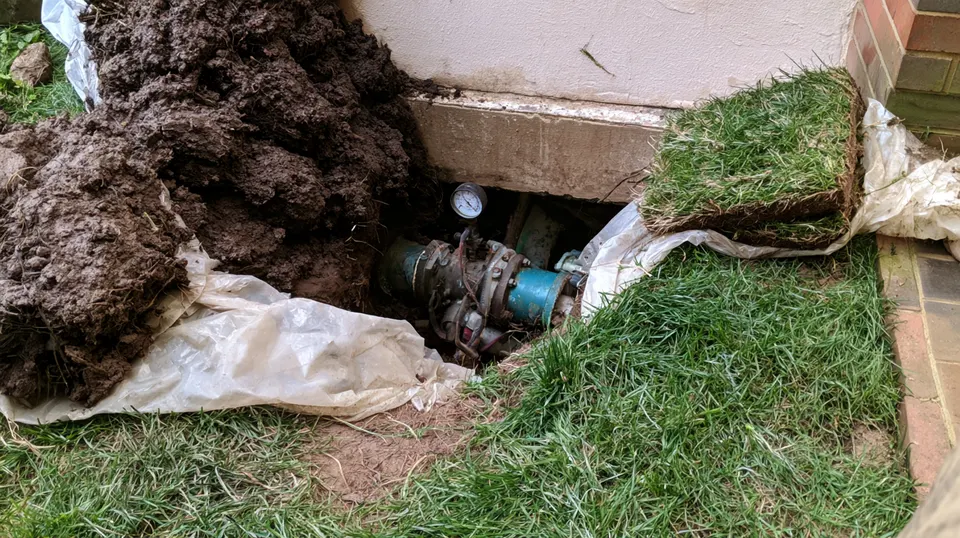
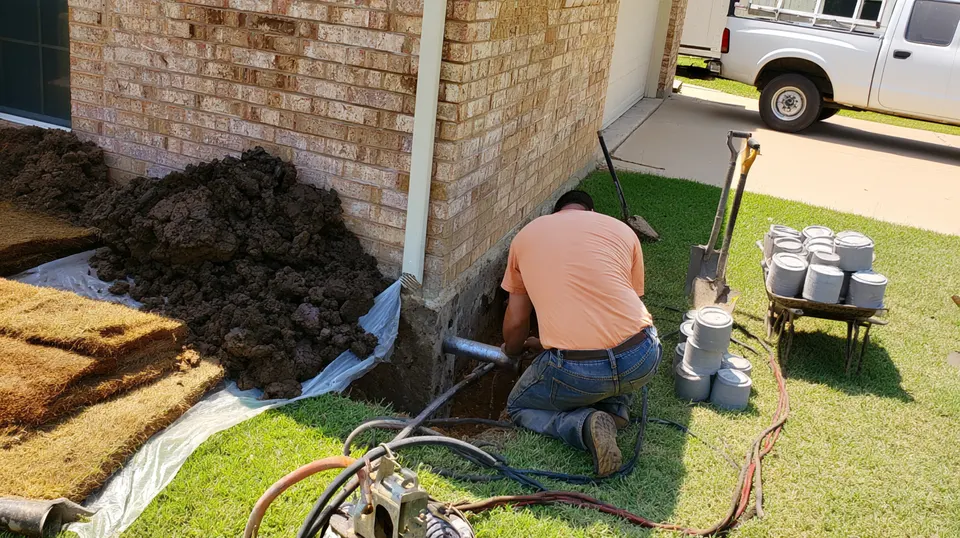
- Moving cracks get piers. A pier is a steel or concrete post driven under the slab edge to carry the house down to stable soil. The crew sets piers along the dropped side, lifts that side with hydraulic jacks until the crack closes, then injects the crack. The slab foundation repair page walks through that job in full.
Permits follow the same split. The City of McKinney Building Inspections General Guidelines for Foundation Repair require a permit for foundation leveling, pier or footing replacement, shimming and floor system replacement, with an engineer’s letter and drawings that show the affected areas and whether plumbing needs testing. Sealing a crack on its own is not on that list. The moment piers or a lift enter the plan, the permit and the engineer’s letter apply, and the contractor pulls both.
- 1
Call or send a request
Call (972) 555-0100 or use the form. Tell us what you are seeing: cracks, sticking doors, sloping floors, or water where it should not be.
- 2
On-site inspection and written estimate
A crew lead measures the foundation with a level survey, checks the drainage, and writes an itemized estimate you keep. The estimate is free.
- 3
Scheduled work
You get a start date. Most residential pier jobs take one to three days. Landscaping is moved and put back.
- 4
Walkthrough and warranty paperwork
You walk the job with the crew lead, see the post-lift readings, and receive the written warranty and the engineer paperwork if your city required it.
Talk to a crew lead about your foundation today.
Call (972) 555-0100What foundation crack repair costs in McKinney
The national guides price crack sealing as a small job. Fixr’s 2026 foundation repair guide lists crack sealing or epoxy injection at $200 to $1,000, HomeAdvisor’s 2026 guide puts sealing with epoxy or polyurethane at $250 to $800, and This Old House’s 2026 guide puts hairline crack repair at $200 to $800. Structural injection is priced differently: HomeAdvisor’s 2026 guide lists epoxy injection at $800 to $1,500 per injection. If the crack turns out to be settlement, the job moves to the pier scale, and HomeAdvisor’s 2026 guide puts piering at $1,000 to $3,000 per pier.
What it costs
$200 to $1,000
Fixr 2026 national range, crack sealing or epoxy injection.
$250 to $800
HomeAdvisor 2026 national range, crack sealing with epoxy or polyurethane.
What moves the number in McKinney: crack width and whether it is cosmetic or structural, number of cracks, injection material (epoxy vs polyurethane), whether the crack is leaking water, whether settlement is the root cause (piers would be needed instead).
Surface crack sealing runs $200 to $1,000 across all guides. Structural injection of a leaking crack is priced separately at $800 to $1,500 per crack by This Old House and HomeAdvisor, so the per-crack cost depends heavily on whether water is coming through.
Estimates are free, written, and itemized. No price is quoted before someone has measured the foundation.
Those are national ranges from named guides, not quotes, and the written estimate from your free inspection is the only figure that applies to your crack.
Foundation crack repair McKinney homeowners can do versus what needs a crew
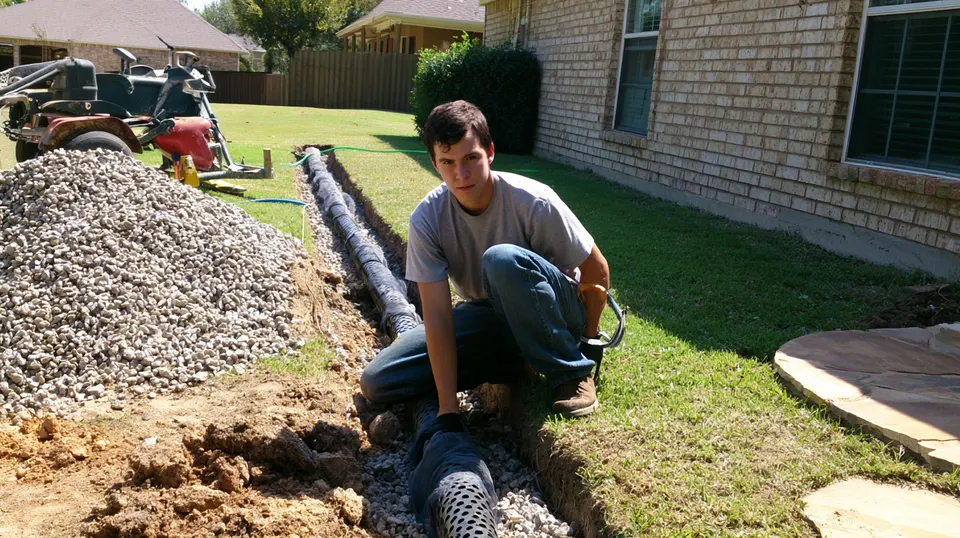
Some of this is honest homeowner work. A stable hairline crack in a garage floor or patio can be cleaned and filled with a concrete crack filler from any hardware store, and the only rule is to date it and watch it. Keeping the soil around the slab at an even moisture level is also yours to do: a soaker hose run along the foundation during dry months keeps the clay from shrinking away from the slab edge, and the foundation drainage page covers getting roof and yard water away from the house in wet months.
The line is crossed when the crack has a lip, is wider than about a quarter inch, is leaking, or is one of several signs on the same side of the house. Injection needs the ports, the pressure pump and the right material for the crack, and getting it wrong seals the surface while leaving a void behind it. Piers need an engineer’s plan and a permit. And no filler of any kind should go into a crack until a plumber has ruled out a slab leak, because a leak that keeps feeding the clay will move the slab again no matter what is in the crack.
The housing stock matters too. The US Census Bureau’s ACS 2024 estimate puts the median year a McKinney housing unit was built at 2007, so a large share of the city’s slabs are young enough that a fresh crack is more likely soil movement than an old, tired foundation. That is good news: catching the movement early usually means fewer piers.
Related services
Exterior cracks are covered on the cracks in brick page, and the full pier and lift process, including interior piers, lives on slab foundation repair. When you are not sure the crack means anything, a stand-alone foundation inspection gives you elevation readings and a written opinion without committing to a repair. Water running toward the slab is the most common reason a sealed crack reopens, so foundation drainage often gets paired with injection, and the foundation repair cost page lays out line items for the larger job if it comes to that. Crews also cover Frisco and Plano.
The right foundation crack repair McKinney homes need is decided by measurement, not by the size of the crack alone. Get the crack measured, get the floor read, and get the answer in writing. Call (972) 555-0100 or send the free estimate form, and a crew lead will be at your house the same week with a free, written estimate.
Questions homeowners ask
Is a crack in my slab always a foundation problem?
No. Concrete shrinks as it cures, and thin straight cracks that never change width are normal. The cracks that matter are the ones that widen, run at an angle, show a height difference from one side to the other, or line up with cracks in the brick or sheetrock above them.
What is the difference between epoxy and polyurethane crack injection?
Epoxy hardens into a rigid bond that restores strength across the crack, so it is used on structural cracks that have stopped moving. Polyurethane stays flexible and expands to block water, so it is used on cracks that leak or that still see slight seasonal movement.
Can I just fill the crack myself with caulk?
You can on a hairline crack that has been stable for a full wet and dry season. Caulk does nothing for a crack caused by settlement, and it hides the crack you would otherwise watch. If the crack is wider than a coin edge or has a lip, have it measured first.
Do I need a permit to repair a foundation crack in McKinney?
Sealing or injecting a crack on its own is not on the City of McKinney's permit list. Once the fix includes leveling, piers, shimming or replacing part of the floor system, the city requires a permit with an engineer's letter, and the contractor handles that as part of the job.
How long does crack injection take?
Most injection jobs are done in a single visit. The crack is cleaned, ports are set along it, the material is pumped in from the lowest port up, and the surface is finished. Cure times vary by material, and the estimate states when the area can take load again.
Sources for local facts on this page
- USDA NRCS Official Series Description, Houston Black series, 2026
- USDA NRCS, Houston Black Texas State Soil fact sheet, 2026
- National Weather Service Fort Worth, DFW Annual Normals, Means and Extremes, 2021
- National Weather Service Fort Worth, DFW Monthly and Annual Precipitation, 2026
- City of McKinney Building Inspections, General Guidelines for Foundation Repair, accessed Sep 2026
- US Census Bureau ACS 2024 1-year, table B25035, via Census Reporter, 2024
Free estimate
Get a free written estimate for foundation crack repair
A crew lead measures the foundation, explains what is moving and why, and hands you an itemized estimate you keep.
Call (972) 555-0100Mon to Sat 7am to 7pm